
ZZ Plant Care Guide
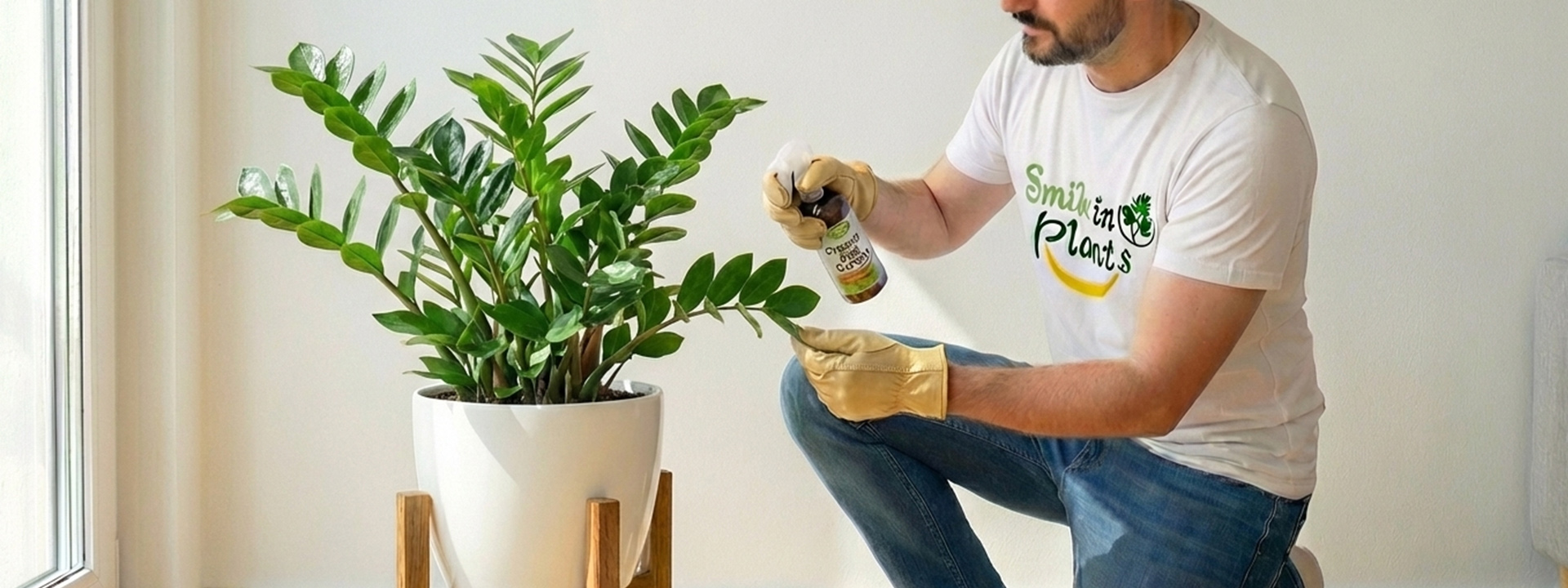
The ZZ plant, scientifically known as Zamioculcas zamiifolia, is one of the most durable and low-maintenance indoor plants available. Also called the zeezee plant, zee zee plant, zuzu plant, or Zanzibar gem plant, this houseplant is prized for its glossy leaves, modern appearance, and exceptional tolerance to low light and irregular watering. It is a top choice for homes, offices, and professional interior plant care programs.
Plant Identification
Scientific Name: Zamioculcas zamiifolia
Common Names: ZZ plant, zeezee plant, zuzu plant, Zanzibar gem plant, zamioculcas plant
Types and Varieties
Common ZZ plant varieties include:
Zamioculcas zamiifolia – classic green ZZ plant
Zamioculcas zamiifolia ‘Raven’ – dark, nearly black foliage
Dwarf ZZ varieties – compact growth for small spaces
Growth Habit and Foliage Characteristics
ZZ plants have an upright, clumping growth habit with thick, waxy stems and oval-shaped leaves. The foliage is smooth, shiny, and leathery, making the plant highly resistant to water loss. Underground rhizomes store water, allowing the plant to survive periods of neglect.
Importance as an Indoor Houseplant
ZZ plants are among the most reliable indoor houseplants for beginners and busy plant owners. They are widely used by plant caretakers in homes, commercial spaces, and interior plant care services due to their toughness, clean appearance, and adaptability to indoor environments. ZZ plants are especially popular in indoor houseplants greenhouse collections and low-light interiors.
Care Level
Care Requirement: Easy care
ZZ plant care is considered easy because the plant tolerates low light, infrequent watering, and varying indoor conditions. Its hardy nature makes it ideal for long-term indoor plant care with minimal maintenance.
Plant Care Guide
Watering Schedule
Water only when the soil has dried out completely. ZZ plants prefer underwatering rather than overwatering.
Early signs of overwatering include yellowing leaves, mushy stems, and root or rhizome rot. Signs of underwatering are rare but may include leaf wrinkling or slower growth.
Light Requirements
ZZ plants thrive in low to bright indirect light. They adapt well to low-light indoor spaces but grow faster with moderate indirect light.
Too much direct sunlight can scorch the leaves, while very low light may slow growth without harming the plant.
Temperature and Humidity
ZZ plants prefer temperatures between 60–80°F and adapt well to average indoor humidity. They tolerate dry indoor air better than most houseplants.
Pests and Problems
Major Pests
ZZ plants are relatively pest-resistant but may occasionally encounter:
Spider mites
Mealybugs
Aphids
Household Pest Control
Wipe leaves regularly with a damp cloth. Treat infestations using neem oil or insecticidal soap. Routine inspection as part of indoor plant care helps prevent pest issues.
Pruning and Maintenance
Pruning is minimal. Remove yellowing or damaged leaves at the base to maintain a clean appearance. The plant naturally grows slowly and evenly.
Repotting and Soil
Repot every 2–3 years or when roots become crowded. Use a well-draining indoor plant potting mix. Spring is the best time to repot.
Fertilization
Fertilize lightly during spring and summer.
Organic options: diluted compost tea, worm castings, or fish emulsion.
Conventional fertilization: apply a balanced slow-release fertilizer designed for indoor plants once or twice during the growing season.
Additional Care Notes
ZZ plants are toxic to pets and humans if ingested; place out of reach.
Avoid frequent watering to protect the rhizomes.
Ideal for homes, offices, and interior plant care in Wellington.
With proper zamioculcas zamiifolia care, the ZZ plant remains one of the longest-lasting, most forgiving indoor plants available.
The ZZ plant, also known as zz plant zamioculcas zamiifolia or Zanzibar gem plant, is an excellent choice for anyone seeking dependable, attractive houseplants with minimal care requirements.