
Spider Plant Care Guide
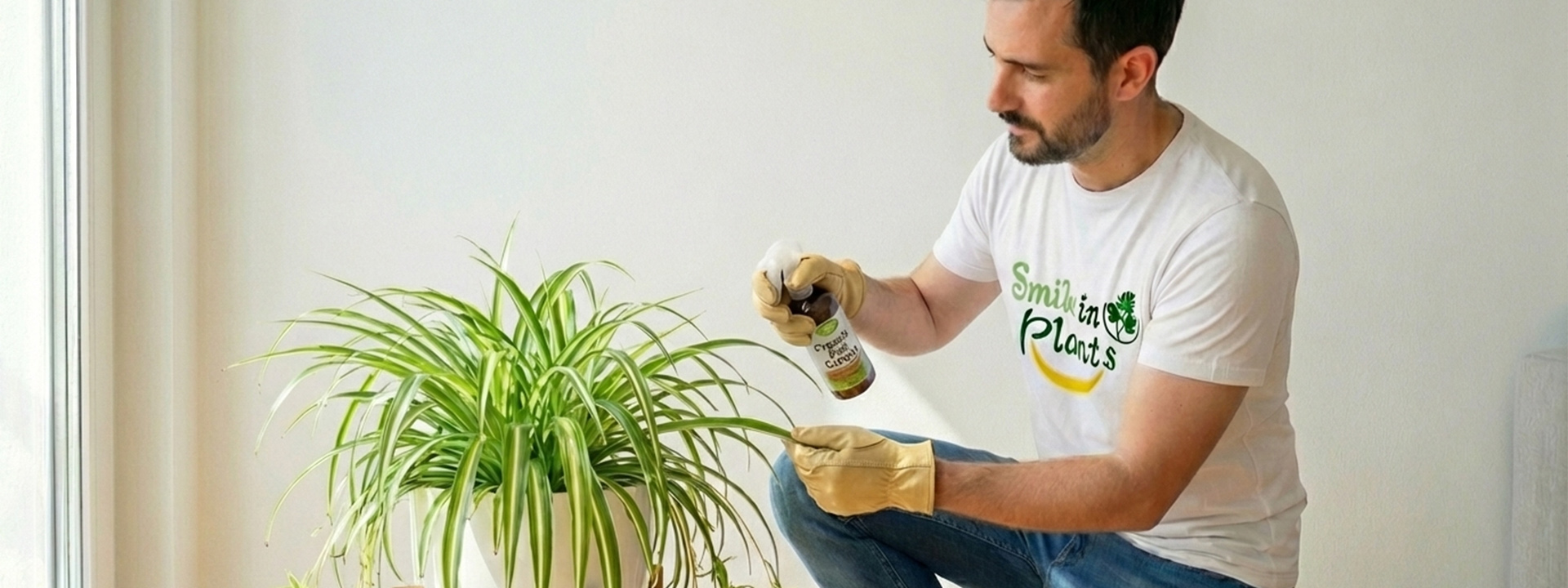
The spider plant, scientifically known as Chlorophytum comosum, is one of the most widely grown indoor plants and houseplants across homes, offices, and greenhouses. Also called the airplane plant, this adaptable indoor houseplant is valued for its graceful foliage, resilience, and ease of maintenance. It is commonly included among indoor houseplants in greenhouse collections and professional interior plant care programs.
Plant Identification
Scientific Name: Chlorophytum comosum
Common Names: Spider plant, airplane plant, ribbon plant
Types and Varieties
Several popular varieties of the chlorophytum spider plant are available:
Chlorophytum comosum ‘Vittatum’ – green leaves with a bold white center stripe
Chlorophytum comosum ‘Variegatum’ – green leaves with creamy white margins
Chlorophytum comosum ‘Bonnie’ – compact growth with curly, arching foliage
Growth Habit and Foliage Characteristics
Spider plants grow in a clumping form from a central crown. The leaves are long, narrow, and arching with a smooth, flexible texture. Mature plants produce trailing stems that hold small plantlets, often referred to as spiderettes. These cascading offsets give the spider plant its distinctive appearance and make it especially attractive in hanging containers and elevated planters.
Importance as an Indoor Houseplant
The spider plant is considered a classic choice among indoor plants and houseplants due to its tolerance of varying indoor conditions. It performs well in homes, offices, and commercial interiors, making it a frequent selection for plant caretakers and indoor plant care services. Its adaptability makes it suitable for interior plant care in Wellington and similar environments.
Care Level
Care Requirement: Easy care
Spider plant care is categorized as easy because the plant adapts quickly to indoor environments, tolerates occasional care mistakes, and maintains healthy growth without intensive maintenance. This makes it ideal for beginners, busy households, and professional indoor plant care programs.
Plant Care Guide
Watering Schedule
Water the spider plant when the top 1–2 inches of soil feel dry to the touch. The soil should remain lightly moist but never waterlogged.
Early signs of overwatering include yellowing leaves, soft roots, and a sour odor from the soil. Early signs of underwatering include dry leaf tips, pale foliage, and slowed growth.
Light Requirements
Spider plants prefer bright, indirect light but also tolerate medium to low indoor light levels.
Signs of excessive light include leaf scorch, bleaching, or faded variegation. Signs of insufficient light include slower growth and less vibrant leaf coloration.
Temperature and Humidity
Spider plants thrive in typical indoor temperatures between 65–85°F. They adapt well to average household humidity and do not require special humidity control, making them reliable indoor houseplants.
Pests and Problems
Major Pests
Although generally pest-resistant, spider plants may occasionally be affected by:
Spider mites
Mealybugs
Aphids
Household Pest Control
Regularly wipe leaves with a damp cloth to remove dust and discourage pests. If infestations occur, treat with diluted neem oil or insecticidal soap. Routine monitoring by a plant caretaker helps prevent pest spread among nearby houseplants.
Pruning and Maintenance
Pruning needs are minimal. Remove yellow, damaged, or aging leaves at the base of the plant. Brown leaf tips may be trimmed for appearance using clean, sharp scissors.
Repotting and Soil
Repot the spider plant every 12–18 months or when roots become crowded. Use fresh, well-draining potting mix formulated for indoor plants or houseplants. Spring is the preferred time for repotting to support active growth.
Fertilization
Fertilize during the active growing season, typically spring through summer.
Organic household options include compost tea, diluted fish emulsion, or worm castings applied sparingly.
Conventional fertilization may be done using a balanced slow-release fertilizer designed for indoor plants. Always follow manufacturer instructions to avoid overfertilization.
Additional Care Notes
Spider plants are non-toxic to humans and commonly used in family-friendly interior spaces.
Rotating the plant periodically helps maintain even growth and balanced foliage.
Spider plants propagate easily from plantlets, making them popular among houseplant enthusiasts.
With proper spider plant care and chlorophytum spider plant care practices, the airplane plant remains a dependable, long-lasting choice among indoor plants and houseplants. It is well suited for home environments, offices, and professionally managed interior plant care services in Wellington.