
Monstera Plant Care Guide
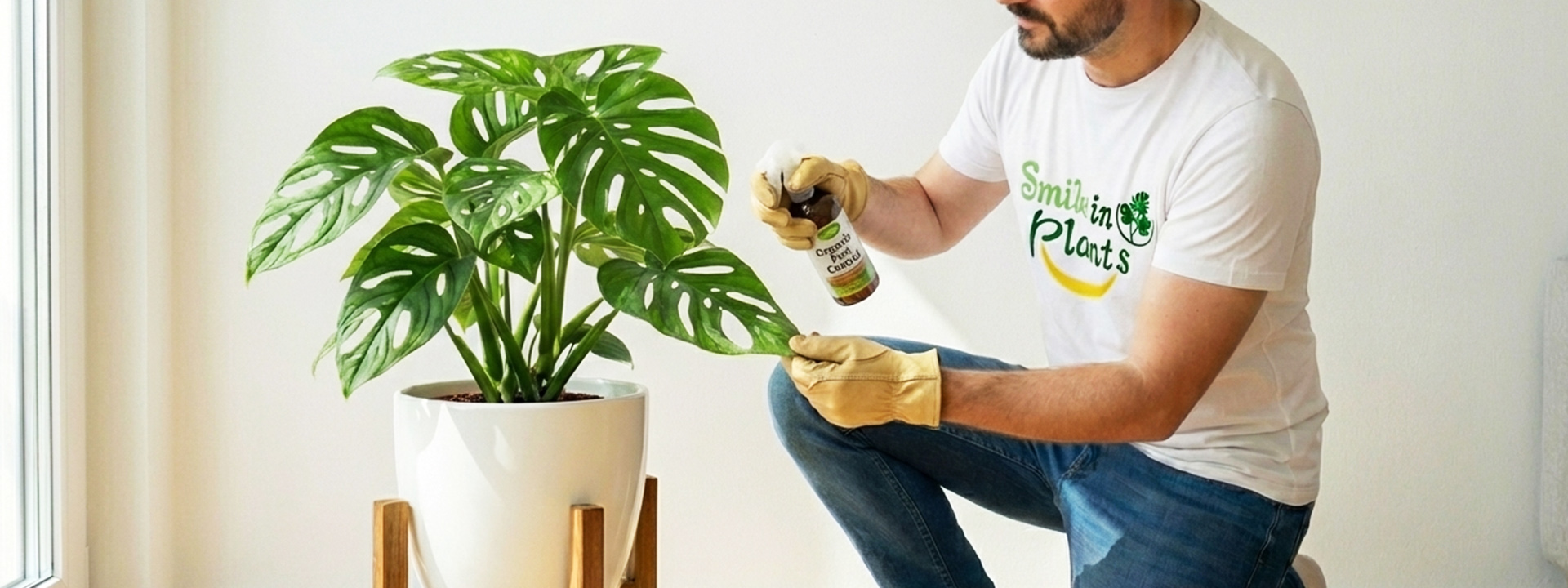
The monstera plant, scientifically known as Monstera deliciosa, is a striking indoor plant and houseplant admired for its unique perforated leaves and tropical appearance. Often referred to as the cheese plant or Swiss cheese plant, this monstera plant adds elegance and greenery to homes and offices. Monstera plants are commonly used in interior plant care programs, making them a popular choice for indoor plants in Wellington and surrounding areas.
Plant Identification
Scientific Name: Monstera deliciosa
Common Names: Monstera plant, cheese plant, Swiss cheese plant, monstera deliciosa houseplant
Types and Varieties
Popular varieties of monstera include:
Monstera deliciosa – classic large perforated leaves, popular indoor plant
Monstera adansonii – smaller leaves with elongated holes, ideal for hanging baskets
Monstera deliciosa ‘Thai Constellation’ – variegated leaves with white speckles, high decorative appeal
Growth Habit and Foliage Characteristics
Monstera plants have a climbing growth habit and produce large, glossy, heart-shaped leaves with natural splits and holes, giving rise to the nickname Swiss cheese plant. The dramatic foliage makes monstera plants a centerpiece in any indoor space, perfect for plant displays or as part of interior plant care setups.
Importance as an Indoor Houseplant
Monstera plants are highly popular among indoor plants and houseplants due to their bold foliage, adaptability to indoor light conditions, and visual appeal. They are often chosen for interior plant care in Wellington homes, offices, and commercial spaces. Their striking leaves and easy maintenance make them a favorite for plant caretakers and indoor plant enthusiasts.
Care Level
Care Requirement: Moderate care
Monstera plant care is moderate because while the plant is hardy, it requires attention to light, humidity, and support for climbing. With proper indoor plant care, monstera plants thrive and develop iconic large leaves.
Plant Care Guide
Watering Schedule
Water when the top 2 inches of soil feel dry. Monstera plants prefer evenly moist soil but can tolerate slight drying between waterings.
Early signs of overwatering include yellow leaves and root rot. Signs of underwatering include drooping or curling leaves.
Light Requirements
Monstera deliciosa thrives in bright, indirect light. They can tolerate medium indoor light but grow slower and may produce smaller leaves.
Too much direct sunlight can scorch the leaves, while too little light reduces leaf perforation and slows growth.
Temperature and Humidity
Ideal temperatures are 65–85°F. High humidity supports healthy leaf growth, but monstera plants adapt to average household humidity levels.
Pests and Problems
Major Pests
Occasionally, monstera plants may attract:
Spider mites
Mealybugs
Scale insects
Household Pest Control
Wipe leaves regularly with a damp cloth. Treat infestations with diluted neem oil or insecticidal soap. Routine checks by a plant caretaker help prevent spread to other houseplants.
Pruning and Maintenance
Remove yellow or damaged leaves to maintain appearance. Provide a moss pole or trellis for climbing varieties. Prune to control size and encourage bushier growth.
Repotting and Soil
Repot every 12–18 months or when roots outgrow the pot. Use well-draining potting mix suitable for indoor plants. Spring is ideal for repotting.
Fertilization
Fertilize during spring and summer.
Organic options: compost tea, diluted fish emulsion, or worm castings.
Conventional fertilization: balanced slow-release fertilizer for indoor plants, applied per label instructions.
Additional Care Notes
Monstera plants are non-toxic to humans but mildly toxic to pets if ingested.
Rotate the plant periodically for even growth and symmetrical foliage.
With proper monstera plant care indoor, monstera deliciosa houseplant maintenance, and attention to light, watering, and fertilization, monstera plants thrive as eye-catching indoor plants.
Ideal for homes, offices, and professional interior plant care services, monstera plants make a long-lasting, low-maintenance, and decorative addition to any space.