
Fiddle Leaf Fig Care Guide
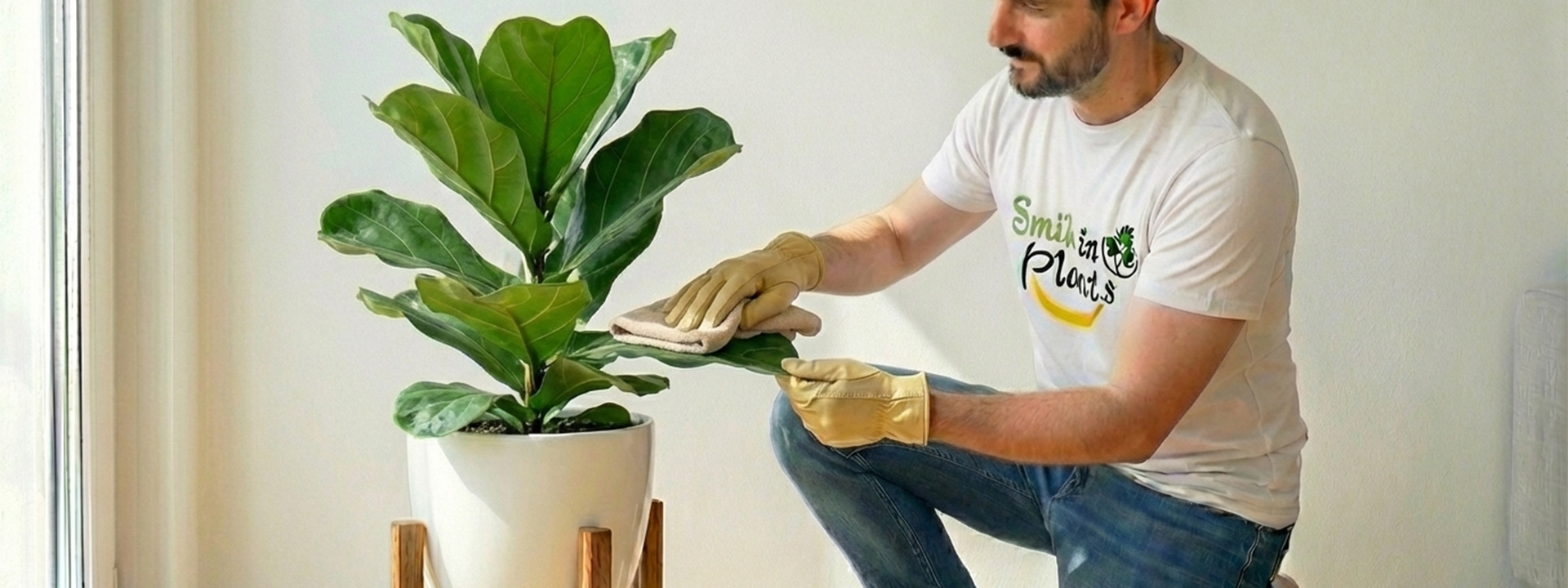
The fiddle leaf fig, scientifically known as Ficus lyrata, is a popular indoor plant and houseplant recognized for its large, violin-shaped leaves and bold architectural presence. Often called the fig plant or fiddle fig tree, this indoor houseplant is a favorite for homes, offices, and interior plant care programs. Fiddle leaf figs are widely used as statement indoor plants in Wellington and surrounding areas.
Plant Identification
Scientific Name: Ficus lyrata
Common Names: Fiddle leaf fig, fig plant, fiddle leaf tree, fiddle fig tree
Types and Varieties
Some popular fiddle leaf fig varieties include:
Ficus lyrata – classic large-leaf variety for homes and offices
Ficus lyrata ‘Bambino’ – compact, slow-growing version suitable for small spaces
Ficus lyrata ‘Compacta’ – bushy and smaller leaves, ideal for tabletop display
Growth Habit and Foliage Characteristics
Fiddle leaf figs have an upright growth habit with large, glossy, violin-shaped leaves that add dramatic visual appeal. The bold foliage makes the plant a centerpiece in indoor spaces, perfect for pots, containers, or as part of interior plant care arrangements.
Importance as an Indoor Houseplant
Fiddle leaf figs are highly sought-after indoor plants and houseplants for their striking foliage, visual impact, and moderate adaptability to indoor conditions. They are commonly used by plant caretakers in homes, offices, and professional interior plant care programs in Wellington. Their distinctive leaves and architectural presence make them popular among plant enthusiasts.
Care Level
Care Requirement: Moderate care
Fiddle leaf fig care is considered moderate because while the plant is hardy, it requires attention to light, humidity, and proper watering to maintain healthy leaves and growth. With consistent care, fiddle leaf figs thrive as impressive indoor plants.
Plant Care Guide
Watering Schedule
Water when the top 1–2 inches of soil feel dry. Overwatering can lead to root rot, while underwatering causes leaf drooping.
Early signs of overwatering include yellowing leaves and soft roots. Signs of underwatering include crispy leaf edges and sagging leaves.
Light Requirements
Fiddle leaf figs thrive in bright, indirect light. They can tolerate some medium light indoors but may grow slower or develop smaller leaves.
Too much direct sun can scorch leaves, while too little light can lead to leggy growth and leaf drop.
Temperature and Humidity
Ideal indoor temperatures are 60–75°F. Fiddle leaf figs prefer moderate to high humidity but can adapt to typical household conditions.
Pests and Problems
Major Pests
Occasional pests include:
Spider mites
Mealybugs
Scale insects
Household Pest Control
Wipe leaves with a damp cloth. Use diluted neem oil or insecticidal soap for infestations. Regular inspection by a plant caretaker prevents spread to other houseplants.
Pruning and Maintenance
Prune yellow or damaged leaves to maintain appearance. Pinching the growing tips can encourage bushier growth. Provide support for taller fiddle leaf figs if necessary.
Repotting and Soil
Repot every 12–18 months or when the roots outgrow the container. Use well-draining indoor plant potting mix. Spring is ideal for repotting.
Fertilization
Fiddle leaf figs are non-toxic to humans but mildly toxic to pets if ingested.
Rotate the plant regularly for even leaf growth and symmetrical appearance.
Proper fiddle leaf fig care, fig plant indoor maintenance, and attention to watering, light, and fertilization ensure healthy foliage and strong growth.
Ideal for homes, offices, and professional interior plant care services, fiddle leaf figs remain long-lasting, visually striking indoor plants.
Additional Care Notes
Spider plants are non-toxic to humans and commonly used in family-friendly interior spaces.
Rotating the plant periodically helps maintain even growth and balanced foliage.
Spider plants propagate easily from plantlets, making them popular among houseplant enthusiasts.
With proper spider plant care and chlorophytum spider plant care practices, the airplane plant remains a dependable, long-lasting choice among indoor plants and houseplants. It is well suited for home environments, offices, and professionally managed interior plant care services in Wellington.