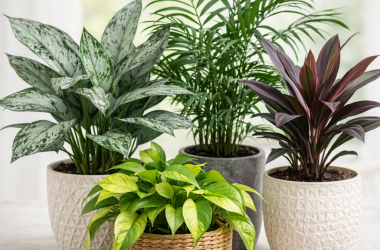
Your Indoor Plant Questions Answered
Welcome to SmileIn Plants’ Plant Questions Hub, your go-to resource for indoor and home plant care in Palm Beach County. Whether you’re a busy homeowner, a local business, or just starting your plant journey, we provide expert advice, helpful guides, and professional plant services tailored for our community. Browse the sections below to find answers, tips, and solutions for every type of indoor plant.
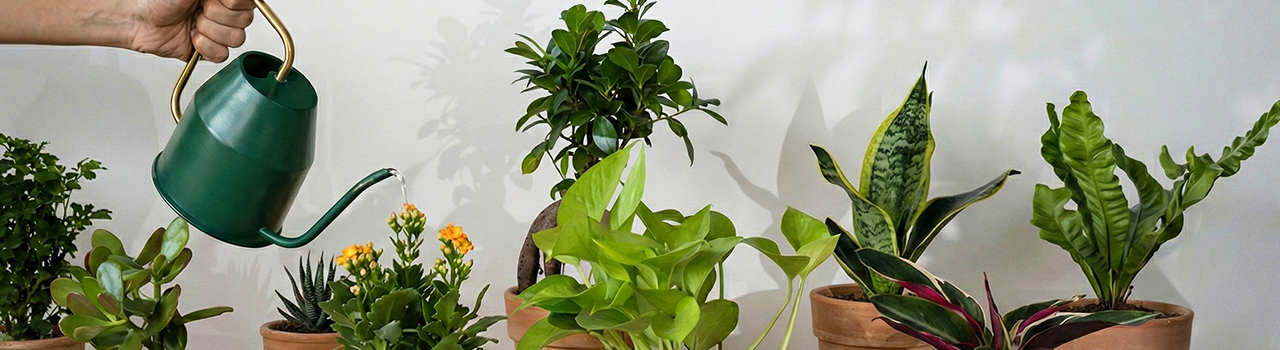
Individual Plant Care Guide

Our Services- Quick Links
Expert's Answers on Common Plant Care Questions
Why my plant is yellowing on bottom/older leaves?
If your plant was purchased within the past two months and is turning yellow then the most likely cause is overwatering. Overwatering saturates the soil, causing the roots to become waterlogged and deprived of oxygen. This prevents the roots from absorbing essential nutrients, similar to how a person cannot eat or drink when suffocating.
If overwatering is not the issue, insufficient light may be the cause. Reducing the frequency of watering or moving your plant to a sunnier location typically resolves the problem.
However,if you purchased this plant long time ago and is yellowing then it is likely due to a lack of nutrition. In this case, instead of merely adding fertilizer, consider replacing 25% of the old soil with fresh soil and incorporating a slow-release fertilizer, such as Osmocote. This approach will provide a more balanced nutrient supply to your plant.
Why leaves are dropping on my Plant?
The primary reason that causes plant to drop leaves is low light situation. Primarily, ficus, croton, and other more light loving plants shows this symptoms. Unless you move these plants to brighter, but indirect sunlight area they will keep dropping leaves. Secondary reason of leaf drop is by pest infestation. This could be fungus or bacteria, but most of the time it is Mites.
How often do I need to fertilize my plants?
Frequency of fertilizer application depends on how much light your plants receive. If they are in very low light environment then you can fertilize once in a six month period. However, if your indoor houseplants are getting enough bright indirect light then you can fertilize them once every three months. Learn More
What are some lowest light requirement plat that I can put in my bathroom or living room?
You can have sansevieria, dracaena janet craig compecta, Cast Iron Plant, ZZ plant. Make sure you get fully grown plant since the plant growth will be very slow in such environment.
What plants are suitable for medium light, few hours of sunlight?
In these category you can have many options: pothos, phiodendron, swiss-cheese, zz, sansevieria, monestra spp, cat palm, aglaonema, calathea, syngonium, anthurium, spathephyllum (peace lilly), Fern.
What are bright indirect full light (mimimum 8 hours) requirement plants.
You can put any plant if you have bright indrect full light. Areca Palm, Oleander, duranta, Ficus spp (Lyrata, Moclame, Audrey, Alii, Burgandy), Monestra, Philodendron, Alocasia, Croton Spp, Arboricola.
What type of soil should I use?
Soil selection is the most important and challenging thing for indoor plants. Many people kill plants just because they select wrong soil. Always use potting soil (no garden soil please). Make sure your soil is free of compost and manure as they hold too much water and causes root rot. Soil that has sand, perlite, peatmoss, coconut coir, pine bark, and wood chip is good. I would try to skip wood chip if possible as it stels nitrogen from soil.
How much fertilizer Should I Put?
If you are using slow release fertilizer (like 6 month release or 9 month release) then use 2 tablespoon for 6″ pot, 3 tablespoon for 8″ pot and 4 tablespoon for 10″ pot. If you are using soluble fertilizer then drench with 1 teaspoon fertilizer (3-1-2 ratio of 12-4-8 or higher) mixed with 1/2 teaspoon of epsom salt and a pinch of iron and calcium mixed in 1 gallon water every 4-6 months.